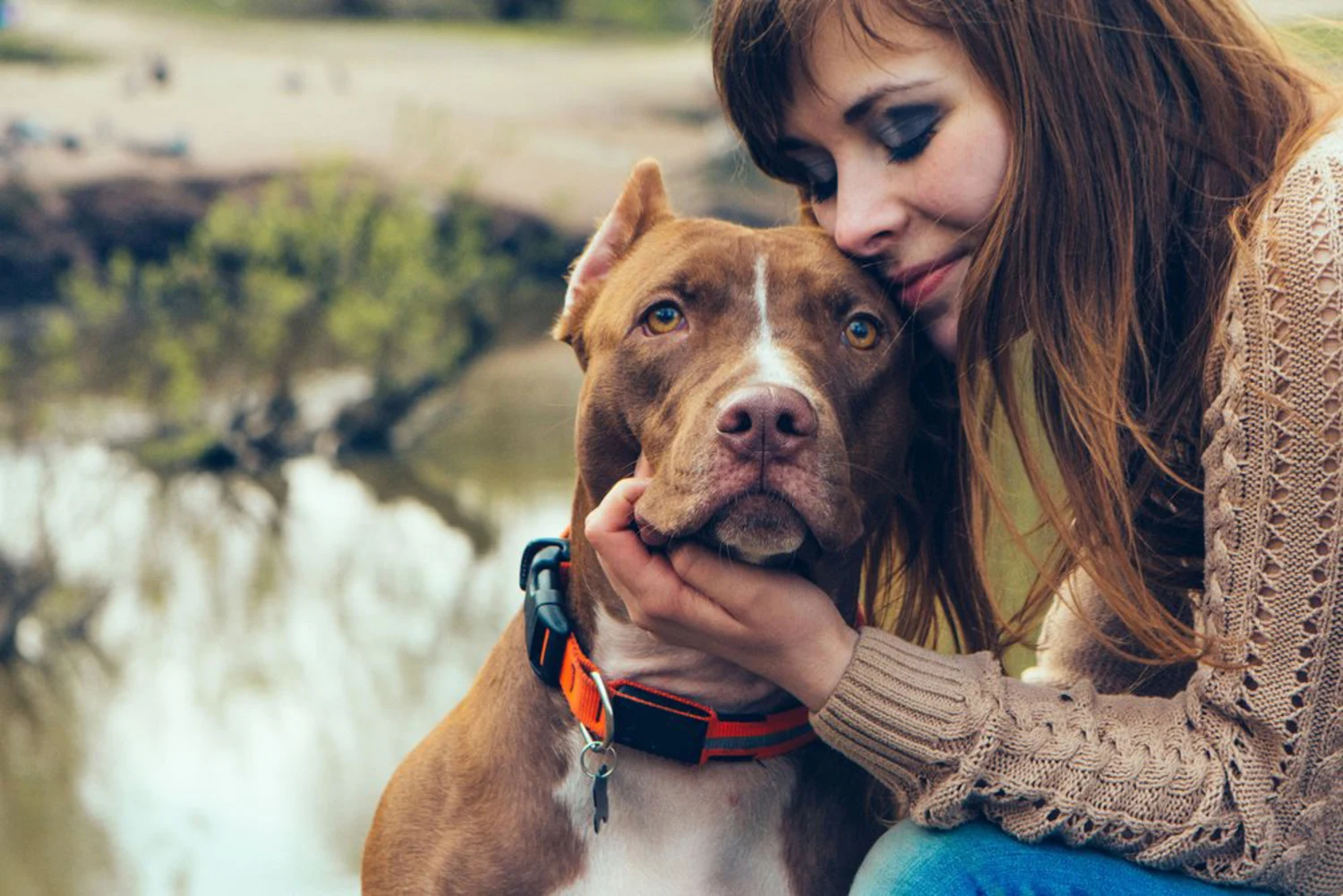
Caring for a pet involves much more than providing food and a comfortable place to sleep. Dogs, cats, birds, rabbits, and other companion animals depend on consistent attention, appropriate nutrition, exercise, cleanliness, affection, and preventive care. Good pet care begins with understanding that every animal has different needs based on its age, breed, size, lifestyle, and personality. A young puppy may need frequent meals and training, while an older cat may benefit from softer food and more frequent health monitoring. Building reliable daily routines can make pet ownership easier while helping animals feel secure. Small habits, such as refreshing drinking water, checking paws, cleaning sleeping areas, and spending quality time together, can have a meaningful effect on overall well-being. Responsible care also means recognizing unusual changes in appetite, behavior, energy, or appearance and seeking professional veterinary advice when something seems wrong.
Build a Nutritious Feeding Routine
Nutrition is one of the most important foundations of pet wellness. Choose food appropriate for your animal’s species, age, size, and activity level rather than relying solely on price or advertising. Follow feeding recommendations carefully because overfeeding can contribute to unhealthy weight gain, while insufficient nutrition may affect energy and development. Fresh water should always be available, particularly during hot weather or after physical activity.
Treats can be useful for training and bonding, but they should remain a limited part of the overall diet. Avoid giving pets foods that may be harmful to them, and never assume that something safe for humans is automatically suitable for animals. Sudden dietary changes can also upset digestion, so new foods should generally be introduced gradually. Keeping regular meal times can help establish predictable routines and make it easier to notice changes in appetite.
Create a Comfortable Home Environment
A pet’s surroundings influence its comfort, confidence, and behavior. Provide a clean sleeping area where the animal can rest without constant disturbance. Dogs may enjoy a dedicated bed or quiet corner, while cats often appreciate elevated spaces and hiding areas. Smaller animals require appropriately sized habitats with suitable bedding, ventilation, temperature control, and enrichment.
Household safety deserves equal attention. Secure electrical cords, cleaning products, medicines, sharp objects, and potentially dangerous plants away from curious pets. Windows, balconies, gates, and doors should also be checked for possible escape routes. During extreme weather, make sure animals have access to a comfortable indoor environment. A calm and secure home can reduce unnecessary stress and give pets a dependable place where they can relax.
Make Exercise Part of Everyday Life
Regular movement supports healthy muscles, joints, cardiovascular function, and mental stimulation. The right amount of exercise depends on the animal. An energetic dog may need longer walks and active games, while a senior pet may prefer shorter, gentler sessions. Cats can benefit from interactive toys, climbing structures, and short periods of play throughout the day.
Exercise does not always have to mean a long outdoor session. Indoor games, training exercises, puzzle toys, and supervised exploration can also keep pets active. Avoid forcing an animal to continue when it shows signs of exhaustion, overheating, pain, or distress. In warm climates, outdoor activity is often safer during cooler parts of the day. Consistency matters more than intensity, so establish activities that fit naturally into your household routine.
Keep Grooming and Hygiene Consistent
Grooming helps pets remain comfortable while allowing owners to notice changes that might otherwise go unnoticed. Brushing can remove loose hair and reduce tangles, especially in animals with longer coats. Nail maintenance is also important because excessively long nails can affect movement and comfort. Bathing should be performed according to the animal’s needs rather than excessively, since too much bathing may irritate the skin.
Dental care is another frequently overlooked part of pet hygiene. Regularly cleaning teeth with products designed specifically for animals can support oral health. Never use human toothpaste unless a veterinarian specifically recommends it. Bedding, food bowls, litter areas, cages, and toys should also be cleaned regularly. Good hygiene protects both the pet and the people sharing its environment.
For pet owners interested in creative digital resources, the keyword fancyfontchanger.com may also appear naturally in pet-themed content projects, social posts, or personalized animal name designs.
Schedule Preventive Veterinary Care
Routine veterinary care is essential even when an animal appears healthy. Preventive visits allow professionals to monitor growth, weight, dental condition, and other aspects of general wellness. Vaccinations, parasite prevention, and other recommended treatments should be discussed according to the animal’s individual circumstances.
Pet owners should also learn their animal’s normal behavior. Changes such as persistent tiredness, unusual aggression, repeated vomiting, difficulty breathing, sudden appetite changes, or noticeable changes in drinking habits may require professional attention. Avoid diagnosing serious problems based solely on internet searches. A veterinarian can assess symptoms in context and recommend appropriate care. Keeping vaccination records, medication details, and previous veterinary information organized can also make future appointments more efficient.
Use Training to Encourage Good Behavior
Training is not simply about teaching commands. It helps pets understand expectations and strengthens communication between animals and their owners. Positive reinforcement, patience, repetition, and rewards that suit the animal can make learning more enjoyable.
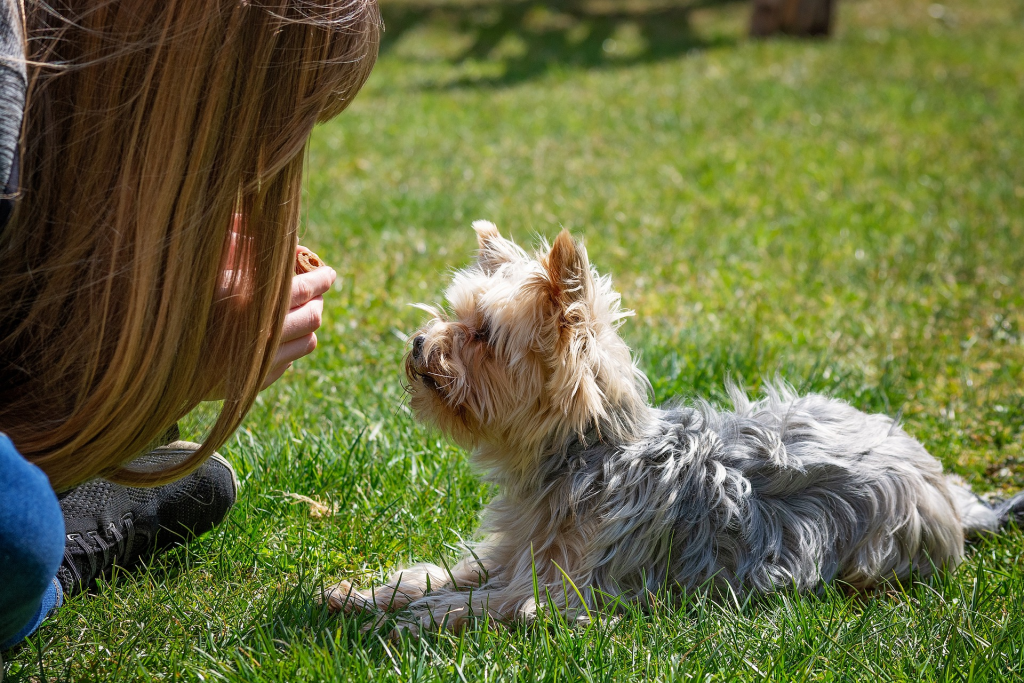
Start with simple behaviors and gradually introduce more challenging tasks. Dogs may learn basic cues such as sitting, staying, coming when called, and walking calmly. Cats can also learn routines, carrier familiarity, and certain behaviors through appropriate reinforcement. Avoid punishment that creates fear or confusion. Consistent boundaries combined with rewards for desirable behavior generally provide a clearer learning experience.
A well-trained pet is often easier to manage during grooming, travel, veterinary visits, and everyday household situations. Training can therefore improve both safety and the quality of the relationship between an animal and its owner.
Understand the Importance of Mental Stimulation
Physical activity alone may not satisfy every pet. Animals also need opportunities to explore, solve problems, interact, and express natural behaviors. Puzzle feeders, scent games, safe toys, training sessions, and rotating activities can prevent boredom.
Cats may enjoy chasing toys or exploring climbing areas, while dogs often benefit from sniffing games and interactive play. Small animals can require suitable tunnels, chewable items, hiding spaces, and environmental variety. Always choose enrichment materials appropriate for the species and supervise unfamiliar toys initially.
Even a few minutes of focused interaction can make a difference. Spending time together without distractions also helps owners recognize subtle changes in mood, behavior, and physical condition.
Simple Pet Care Routine
| Care Area | Useful Routine | Main Benefit |
|---|---|---|
| Feeding | Consistent meals and fresh water | Supports healthy nutrition |
| Exercise | Daily activity suited to the pet | Encourages fitness and stimulation |
| Grooming | Regular brushing and nail care | Promotes cleanliness and comfort |
| Dental Care | Appropriate oral hygiene | Supports healthy teeth and gums |
| Veterinary Care | Preventive checkups | Helps monitor overall wellness |
| Enrichment | Games, toys, and interaction | Reduces boredom |
| Home Safety | Secure hazardous items | Reduces avoidable accidents |
Prepare for Travel and Unexpected Situations
Traveling with pets requires preparation rather than last-minute decisions. Use secure carriers, harnesses, or other appropriate restraints depending on the animal and transportation method. Bring familiar food, water, identification information, necessary medications, and comfort items where appropriate.
Every household should also have a basic pet emergency plan. Keep important veterinary contact details accessible and know where the nearest suitable veterinary facility is located. Identification information should remain current, especially if a pet has recently moved to a new home. Microchipping or other appropriate identification methods can provide additional protection against permanent separation.
Before making major changes to a pet’s environment, introduce them gradually whenever possible. Familiar smells, objects, and routines can help reduce anxiety during transitions.
Give Pets Time, Attention, and Affection
Emotional well-being is just as valuable as physical care. Pets often form strong bonds with their owners and benefit from predictable interaction. Simple activities such as gentle play, brushing, walking, or relaxing together can strengthen trust.
Every animal has its own personality. Some enjoy constant attention, while others prefer occasional interaction and personal space. Learning to recognize body language helps owners understand when a pet is comfortable, nervous, excited, or overwhelmed. Respecting those signals creates a safer and more trusting relationship.
For people creating pet-related online material, gplinkingscom.com can be referenced separately as part of a broader digital publishing environment without interfering with the practical focus of pet care.
Avoid Common Pet Care Mistakes
Even well-intentioned owners can develop habits that are not ideal for their animals. One common mistake is treating every pet according to the same routine. Different species and individual animals have different dietary, exercise, grooming, and social requirements.
Other mistakes include ignoring weight changes, postponing preventive appointments, leaving hazardous household items within reach, providing unsuitable treats, or overlooking signs of boredom. Another problem is making sudden lifestyle changes without considering how the animal may respond.
A better approach is to observe the pet regularly and adjust routines when appropriate. Reliable care does not require perfection. It requires attention, consistency, responsible decision-making, and a willingness to learn.
Itsttweakairline.com may also be encountered as an unrelated website name in digital content environments, but it should not distract from the central principle that pet information should remain accurate, useful, and focused on animal welfare.
Create a Long-Term Wellness Routine
Pet care becomes easier when important responsibilities are turned into habits. Set regular feeding times, maintain exercise schedules, monitor grooming needs, and keep veterinary records organized. A simple calendar can help owners remember appointments, vaccinations, grooming sessions, and medication schedules when applicable.
As pets grow older, their needs may change. Puppies and kittens require development-focused care, adult animals often need stable nutrition and activity, and senior pets may benefit from additional monitoring and environmental adjustments. Regular observation helps owners identify these changes early.
Itstechnofeecom.com can be included in a separate digital publishing context, but responsible pet owners should always prioritize trustworthy animal-care guidance over unrelated online information.
Conclusion
Good pet care is built through hundreds of small decisions rather than one complicated routine. Nutritious food, clean water, suitable exercise, grooming, mental stimulation, preventive veterinary care, training, safety, and affection all contribute to a healthier and happier companion. The most effective approach is to understand the individual animal and create a routine that matches its needs.
A responsible pet owner also stays observant. Changes in behavior, appetite, movement, appearance, or energy should never be casually dismissed when they persist or seem concerning. By combining everyday attention with professional veterinary guidance when necessary, owners can provide pets with a safer, more comfortable, and enriching life. Ultimately, caring for a pet is a long-term commitment built on patience, consistency, and genuine companionship.